The REM Sleep Tax: Why 8 Hours Isn't Always Enough
The fitness industry operates on dogma, and perhaps none is more pervasive than the "8 hours of sleep" rule. But if you are still waking up crushed, relying heavily on stimulants, and failing to recover between macrocycles, your total sleep duration is a red herring.
Stop guessing, look at the data. What matters isn't just the quantity of your sleep, but the architecture—specifically, your Rapid Eye Movement (REM) and Slow-Wave Sleep (SWS) ratios. We call the deficit in these specific stages the REM Sleep Tax.
The Physiology of Sleep Architecture
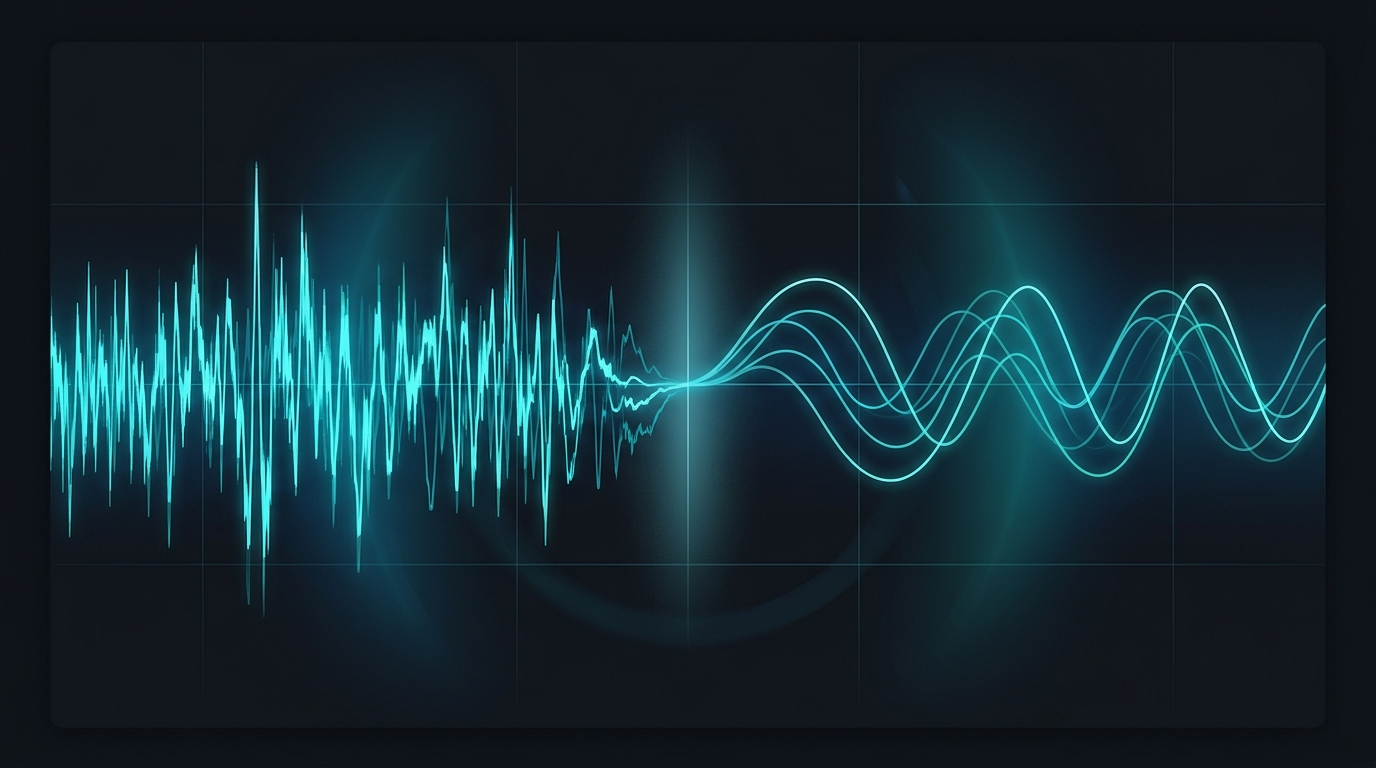
Sleep is not a uniform state of unconsciousness; it is a highly active, multiphasic process governed by complex neuroendocrinological shifts. SWS, or deep sleep, is dominated by delta waves (0.5-4 Hz) and is the primary window for physical restitution. During this phase, pituitary secretion of human growth hormone (hGH) peaks, facilitating tissue repair, while cortisol levels plummet, minimising catabolic activity.
REM sleep, conversely, is characterised by high-frequency brain activity resembling wakefulness, coupled with muscle atonia. This phase is critical for cognitive restitution, memory consolidation, and central nervous system (CNS) recalibration.
When you incur a REM Sleep Tax, you are artificially truncating the final sleep cycles where REM density is highest. Because the autonomic nervous system relies on REM sleep to downregulate sympathetic drive, missing this phase leaves you in a state of hyperarousal. You wake up biologically stressed.
Why You're Paying the Tax
You can be unconscious for 8 hours but only achieve a fraction of the necessary restorative phases. Several variables disrupt sleep architecture:
- Late-Evening Catecholamine Spikes: High-intensity training too close to bed elevates epinephrine and norepinephrine, delaying the onset of SWS.
- Thermoregulatory Failure: A core body temperature drop is required to initiate sleep. Environments that are too warm blunt melatonin synthesis.
- Alcohol: While a CNS depressant that reduces sleep onset latency, alcohol severely suppresses REM sleep during the first half of the night, leading to a "REM rebound" that fragments sleep later on.
Paying Off the Debt
To optimise recovery, shift your focus from time-in-bed to time-in-stage. Utilise modern biometrics (like HRV and sleep staging wearables) to track your actual architectural efficiency. If your SWS is under 15% and REM under 20% of your total sleep time, you are operating at a severe physiological disadvantage. The tax always comes due—make sure you aren't paying it with your gains.