The Clinical Issue
The Wired but Tired Phenomenon
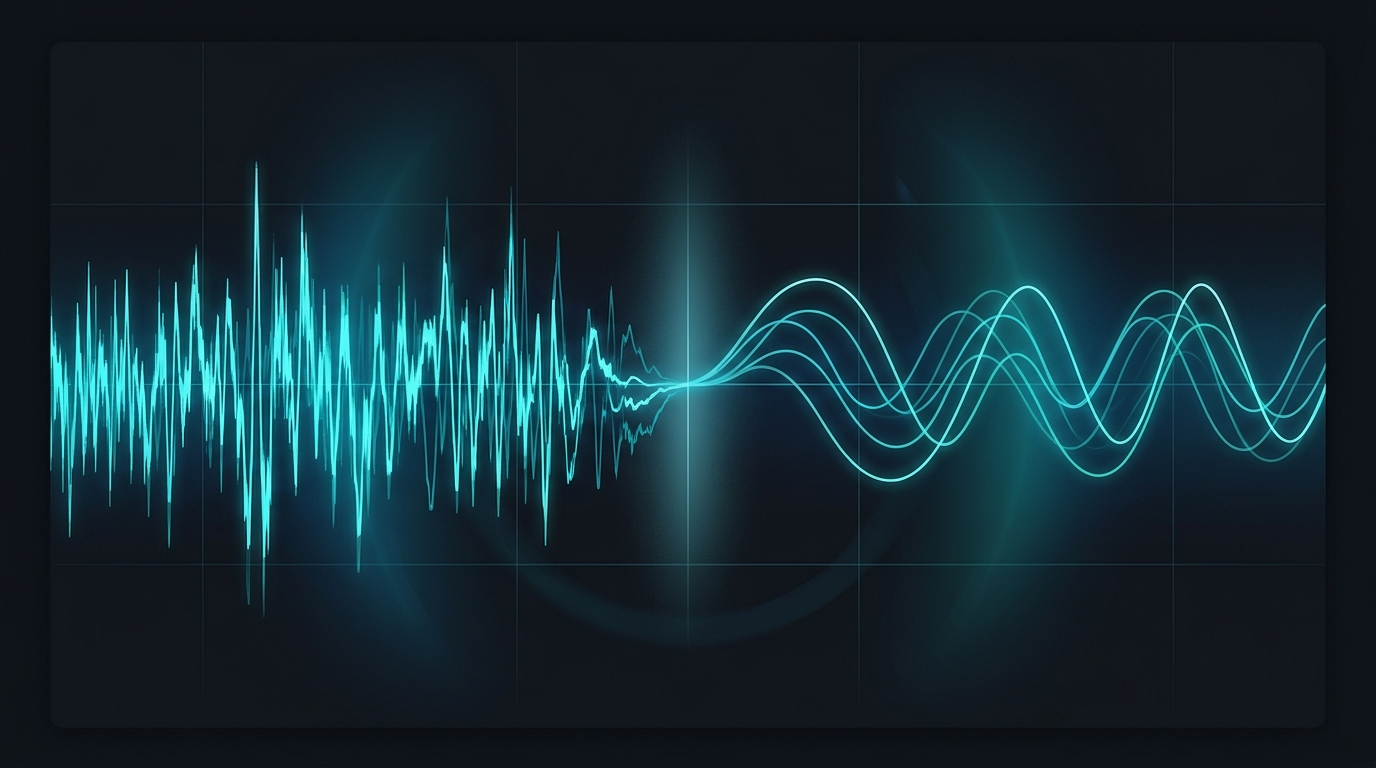
Your Autonomic Nervous System has two gears: Sympathetic (Fight or Flight) and Parasympathetic (Rest and Digest). Most high-performers are permanently stuck in the Sympathetic gear.
This presents as generalized anxiety, an inability to focus, and poor recovery. You cannot "think" your way out of anxiety, because it is a primitive physiological alarm system. You have to physically hit the kill-switch via the Vagus nerve.
The Diagnostic: ANS Index
Nervous System Calibration
Input your morning metrics to see if you are biologically trapped in Fight-or-Flight.
Autonomic State
The Translation: CO2 Tolerance
The Vagus nerve is the master control switch for the parasympathetic nervous system. When you are anxious, you take shallow, rapid breaths. This offloads too much Carbon Dioxide (CO2), lowering your CO2 tolerance.
A low CO2 tolerance chemically forces the brain stem to trigger panic signals. By extending your exhales, you manually engage the Vagus nerve, slowing your heart rate in real-time.
Citation
Gerritsen, R. J., & Band, G. P. (2018). "Breath of Life: The Respiratory Vagal Stimulation Model of Contemplative Activity." Frontiers in Human Neuroscience.
The Protocol: Hacking the Vagus Nerve
The Physiological Sigh
Take two rapid inhales through the nose (to fully expand the alveoli in the lungs), followed by a long, slow exhale through the mouth. Repeat 3 times to instantly lower heart rate.
Mammalian Dive Reflex
If panic is severe, submerge your face in ice-cold water. This triggers the dive reflex, instantly stimulating the Vagus nerve and physically preventing sympathetic overdrive.